Sky Cliff Center

by Oct 3, 2024Affordable Housing

Sky Cliff Center

by | Oct 3, 2024 | Affordable Housing

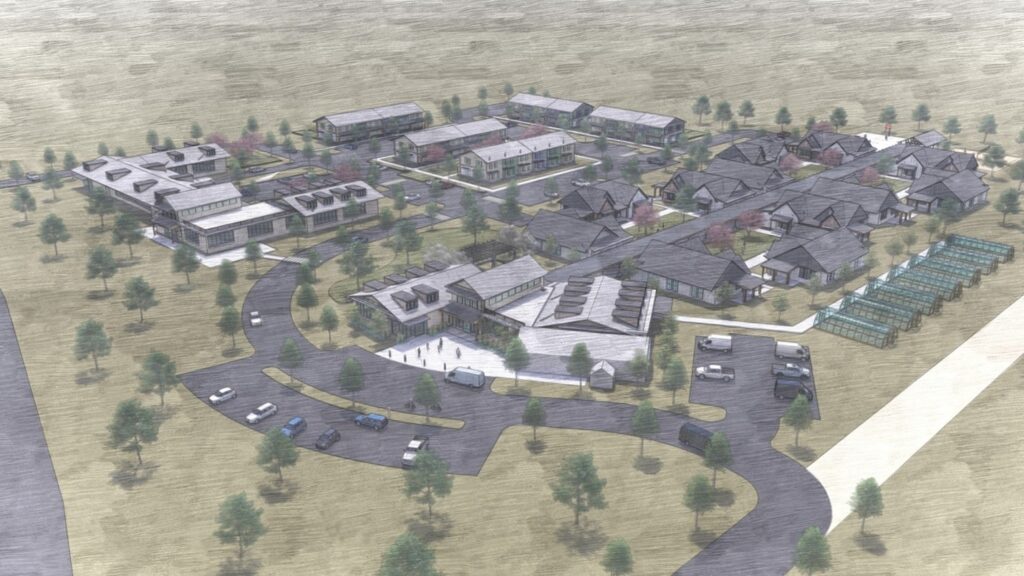
Services: Specialized Market Research and Absorption Location: Castle Rock, Colorado THK assisted the Sky Cliff Center with a specialized residential market research and absorption analysis. The Sky Cliff Center's initiative to develop 64 residential units for households with individuals with Intellectual and Developmental Disabilities (IDD) presents a significant opportunity to address a specialized housing need. THK's residential market analysis is a significant component in determining the feasibility and long-term success of the Sky Cliff Center IDD project. THK evaluated and assessed the demand for IDD housing, affordability, and pricing models for the target demographics, the long-term financial viability of the development, and provided recommendations for ensuring that the project aligns with the community's need for IDD housing within the target community. This project provided actionable recommendations to the Sky Cliff Center by ensuring the project meets the needs of the IDD community and remains financially viable. Also, THK highlighted steps for community engagement, pricing adjustments, or operational strategies that will contribute to long-term success. This structured analysis assisted the Sky Cliff Center to confirm that its proposed development aligns with the specific needs of the IDD community, ensuring both community impact and financial sustainability.

Client

Location

Services

Related Projects

McCain Open Space

McCain Open Space

STRATEGIC GOAL #1: CONSERVATION

Throughout the entire development of the McCain Open Space Master Plan our design team set out to balance public access to the space, with the health of the existing environment and ecology. Through our mapping of the existing Blue River floodplain and associated wetlands in addition to the existing wildlife habitat and sensitive ecological areas and our extensive public engagement process, it became apparent that there was a significant preference for minimizing hard surfaces, not constructing any built structures, and providing controlled access to the Blue River in a way that ensures the long-term success and survival of this valuable natural system.

STRATEGIC GOAL #2: RECREATION

The wetlands and wildlife habitat within McCain Open Space are the critical features of the site. Preserving and improving the breadth and quality of this ecosystem in addition to creating valuable recreation opportunities was the primary focus of this Master Plan. The Master Plan is able to achieve this by utilizing existing disturbance corridors whenever possible and ensuring that habitat and ecological impacts are minimized.

The hierarchical trail system developed throughout this planning process was designed to help reduce erosion and improve safety for all visitors and residents while providing a sustainable balance between the
health of the ecosystems and the demand for recreation by minimizing user conflict, and dispersing the users for whom it will serve across a series of trails and trail loops designed with the diverse skill levels and accessibility needs of those users in mind.

Aligning with the goal of conservation, the proposed higher-use loop trails are concentrated within the central core and along with the alignment of McCain Road to ensure that these more heavily used trails will be in close proximity to other areas that already have high levels of existing human disturbance, thus allowing the creation of proposed feature areas in places that minimize the impact on the more sensitive parts of the ecosystem, such as the riverbanks.

Within the open space there are nearly twenty unique ecosystems, comprised of indigenous plant communities, and wetland features from grasslands, to meadows, to riparian corridors. The final design of the open space offers an opportunity for users of the space to experience the beauty of these ecosystems, while respecting the sensitive nature of these natural areas.

STRATEGIC GOAL #3: ACCESS AND INCLUSION

Removing all barriers to access is key for conservation and recreation efforts and improvements being fully realized and reaching their greatest potential. As an Open Space operated by the Town of Breckenridge,
it was paramount that any development of McCain catered to the diverse demographics of the Town while also incorporating the desires of tourists who fuel the Town’s economy.

Consequently, our plan minimizes barriers to access in multiple regards: physically, by facilitating traversal through the open space through the planned ADA-compliant trails, loops, and river access points; and educationally or informatively, through the proposed suggestions for on-site signage and the publication of materials on-site and online in a variety of methods and languages.

STRATEGIC GOAL #4: STEWARDSHIP

All proposed trails were designed to minimize environmental impacts and ongoing maintenance requirements, which was achieved in part by ensuring trail corridors remained out of the floodplain whenever possible, and stayed clear of sensitive parts of the Blue River susceptible to erosion such as the cut banks.

Another important component of this Master Plan is to understand and plan for potential wildfire re hazards and the impact to neighbors of the open space, by monitoring the overall health of on-site vegetation through continuing study and inventory of ecosystem health, and identification of invasive and noxious weeds today and long into the future through the utilization of a site specific c stewardship program that can evolve with the Open Space over time.

All restoration and enhancement efforts took into consideration the historical context and resources in the area, to protect, maintain, and enhance ecological values and services. ERO Resources recommendations regarding targeted conditions, standards, and goals that are specific to each ecological habitat type and innovative design techniques for rainwater capture and stormwater management shall be integrated during future design phases to further support a sustainable and regenerative ecosystem model for open space.

McCain Open Space

McCain Open Space

STRATEGIC GOAL #1: CONSERVATION

Throughout the entire development of the McCain Open Space Master Plan our design team set out to balance public access to the space, with the health of the existing environment and ecology. Through our mapping of the existing Blue River floodplain and associated wetlands in addition to the existing wildlife habitat and sensitive ecological areas and our extensive public engagement process, it became apparent that there was a significant preference for minimizing hard surfaces, not constructing any built structures, and providing controlled access to the Blue River in a way that ensures the long-term success and survival of this valuable natural system.

STRATEGIC GOAL #2: RECREATION

The wetlands and wildlife habitat within McCain Open Space are the critical features of the site. Preserving and improving the breadth and quality of this ecosystem in addition to creating valuable recreation opportunities was the primary focus of this Master Plan. The Master Plan is able to achieve this by utilizing existing disturbance corridors whenever possible and ensuring that habitat and ecological impacts are minimized.

The hierarchical trail system developed throughout this planning process was designed to help reduce erosion and improve safety for all visitors and residents while providing a sustainable balance between the
health of the ecosystems and the demand for recreation by minimizing user conflict, and dispersing the users for whom it will serve across a series of trails and trail loops designed with the diverse skill levels and accessibility needs of those users in mind.

Aligning with the goal of conservation, the proposed higher-use loop trails are concentrated within the central core and along with the alignment of McCain Road to ensure that these more heavily used trails will be in close proximity to other areas that already have high levels of existing human disturbance, thus allowing the creation of proposed feature areas in places that minimize the impact on the more sensitive parts of the ecosystem, such as the riverbanks.

Within the open space there are nearly twenty unique ecosystems, comprised of indigenous plant communities, and wetland features from grasslands, to meadows, to riparian corridors. The final design of the open space offers an opportunity for users of the space to experience the beauty of these ecosystems, while respecting the sensitive nature of these natural areas.

STRATEGIC GOAL #3: ACCESS AND INCLUSION

Removing all barriers to access is key for conservation and recreation efforts and improvements being fully realized and reaching their greatest potential. As an Open Space operated by the Town of Breckenridge,
it was paramount that any development of McCain catered to the diverse demographics of the Town while also incorporating the desires of tourists who fuel the Town’s economy.

Consequently, our plan minimizes barriers to access in multiple regards: physically, by facilitating traversal through the open space through the planned ADA-compliant trails, loops, and river access points; and educationally or informatively, through the proposed suggestions for on-site signage and the publication of materials on-site and online in a variety of methods and languages.

STRATEGIC GOAL #4: STEWARDSHIP

All proposed trails were designed to minimize environmental impacts and ongoing maintenance requirements, which was achieved in part by ensuring trail corridors remained out of the floodplain whenever possible, and stayed clear of sensitive parts of the Blue River susceptible to erosion such as the cut banks.

Another important component of this Master Plan is to understand and plan for potential wildfire re hazards and the impact to neighbors of the open space, by monitoring the overall health of on-site vegetation through continuing study and inventory of ecosystem health, and identification of invasive and noxious weeds today and long into the future through the utilization of a site specific c stewardship program that can evolve with the Open Space over time.

All restoration and enhancement efforts took into consideration the historical context and resources in the area, to protect, maintain, and enhance ecological values and services. ERO Resources recommendations regarding targeted conditions, standards, and goals that are specific to each ecological habitat type and innovative design techniques for rainwater capture and stormwater management shall be integrated during future design phases to further support a sustainable and regenerative ecosystem model for open space.